Insurance Inspection Repair Support
4-Point Inspection Repairs in Fort Lauderdale, FL
Received a 4-point inspection report? Get a Free Estimate
Insurance Inspection Repair Support
Received a 4-point inspection report? Get a Free Estimate
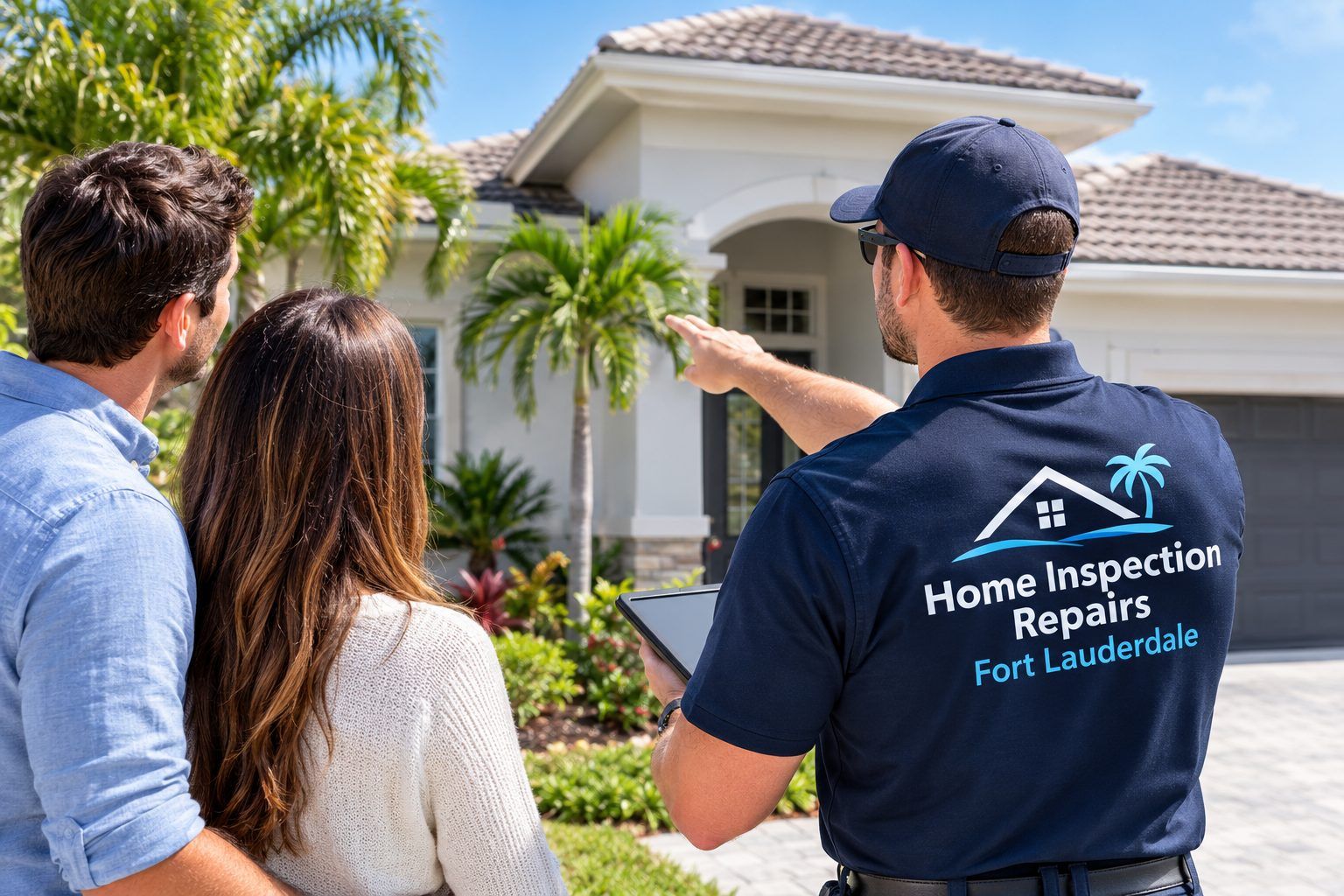
A 4-point inspection reviews a home's roof, electrical system, plumbing, and HVAC for an insurance company. Citizens Property Insurance requires one for homes more than 20 years old, and serious hazards such as exposed wiring or active leaks should be repaired before the application is submitted. The inspection itself typically costs $75–$125 in Florida; repair costs depend on what the report flags.
A 4-point inspection reviews four major areas of a home: the roof, electrical system, plumbing system, and heating or cooling system. Insurance companies commonly use these reports to evaluate property conditions, particularly for older homes. When an inspection identifies concerns, the homeowner may be asked to complete repairs or provide additional documentation.
Home Inspection Repairs Fort Lauderdale helps homeowners understand these repair categories and plan corrective work. We focus on the actual findings and encourage confirmation of insurer requirements before significant expenses are approved.
Each category involves different systems, safety considerations, and repair requirements. A qualified professional should evaluate conditions that fall within a regulated trade.
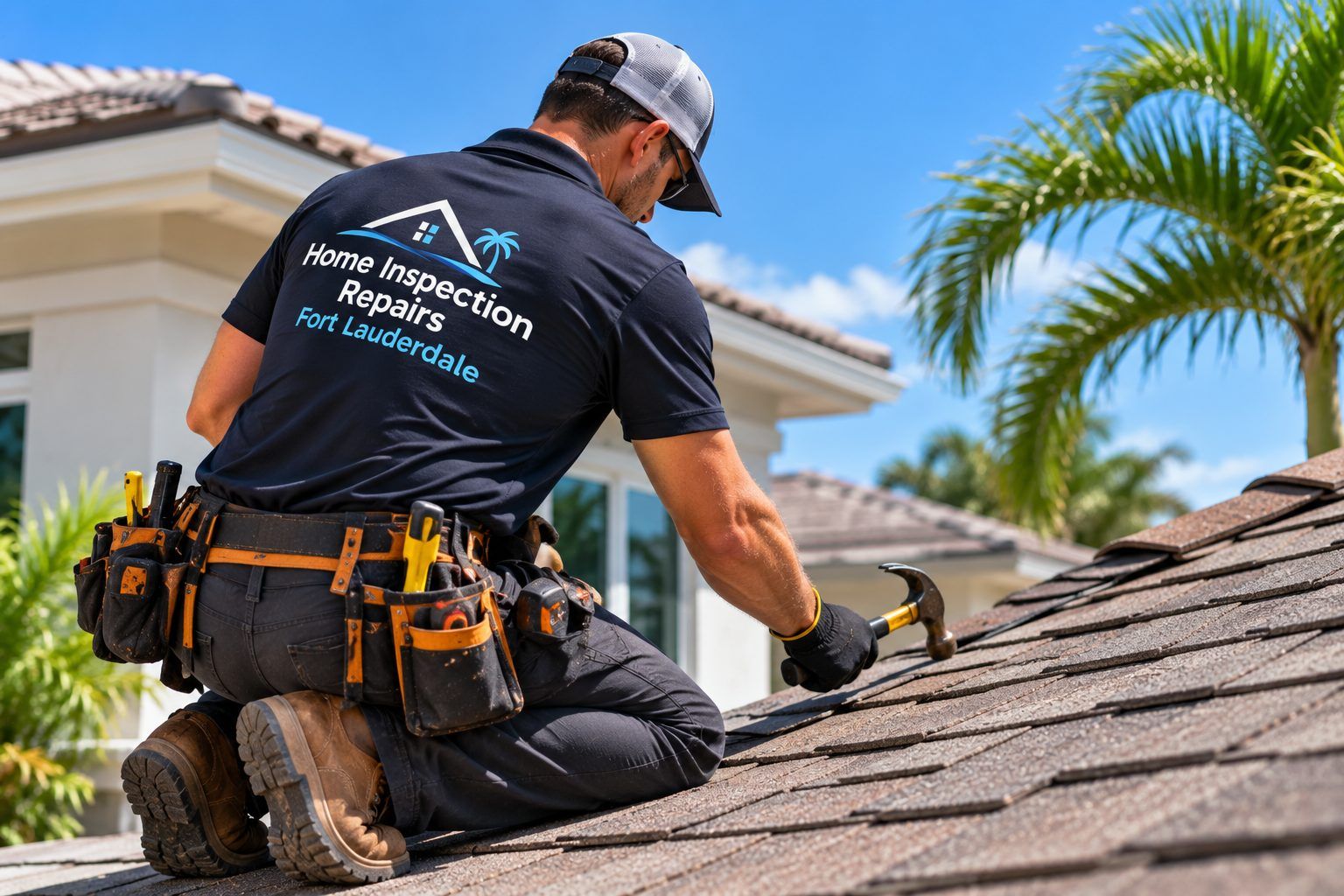
Roof findings may involve leaks, visible damage, deteriorated coverings, or concerns about remaining service life. A roof repair may be appropriate for localized damage, while widespread deterioration can require a more extensive solution. The insurer's requirements and a qualified roofing assessment should guide the decision.
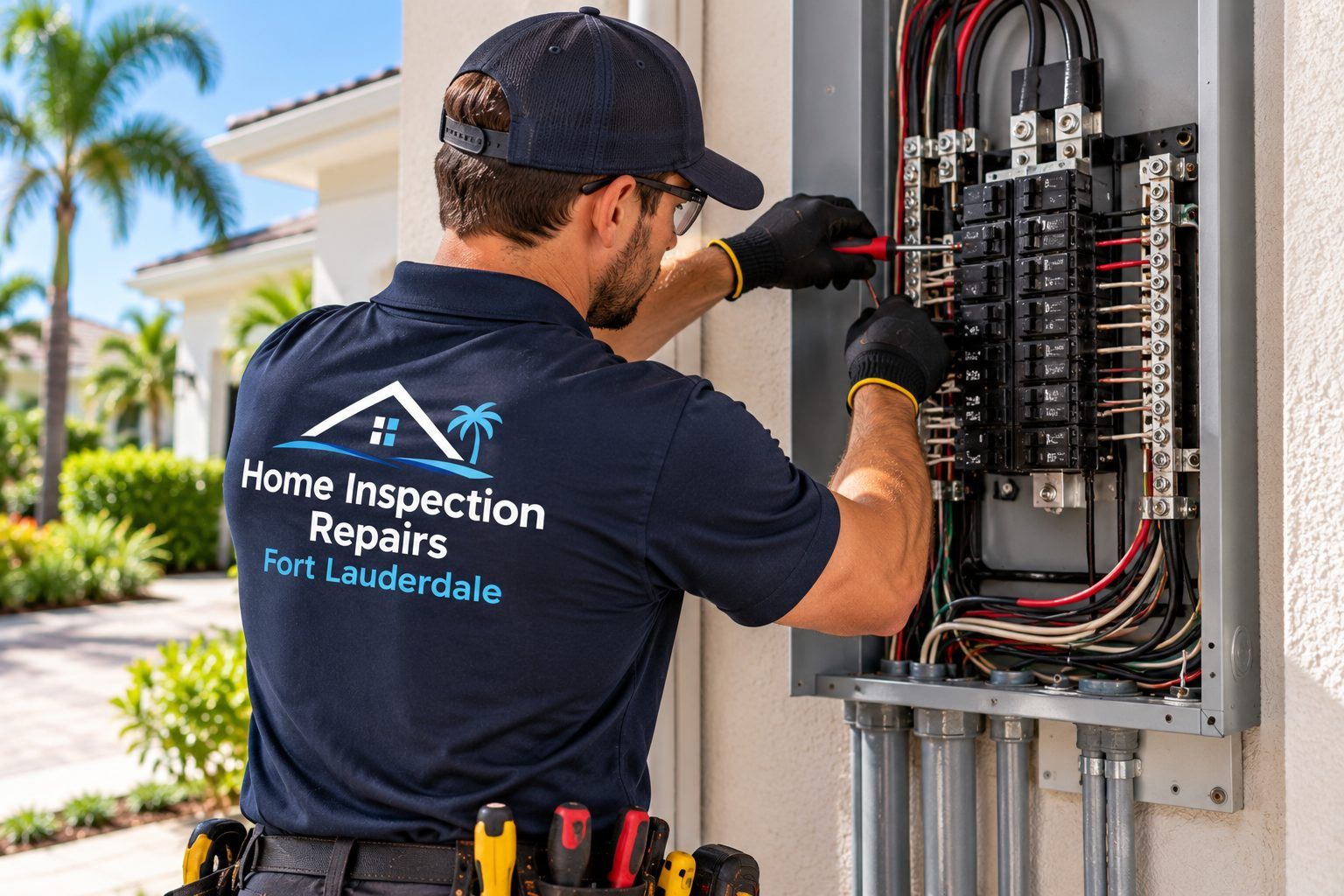
Electrical inspection findings can involve panel condition, wiring materials, protective devices, and visible hazards. A licensed electrical contractor should determine whether corrective repairs or replacement are appropriate. Insurance requirements may differ from minimum code requirements.
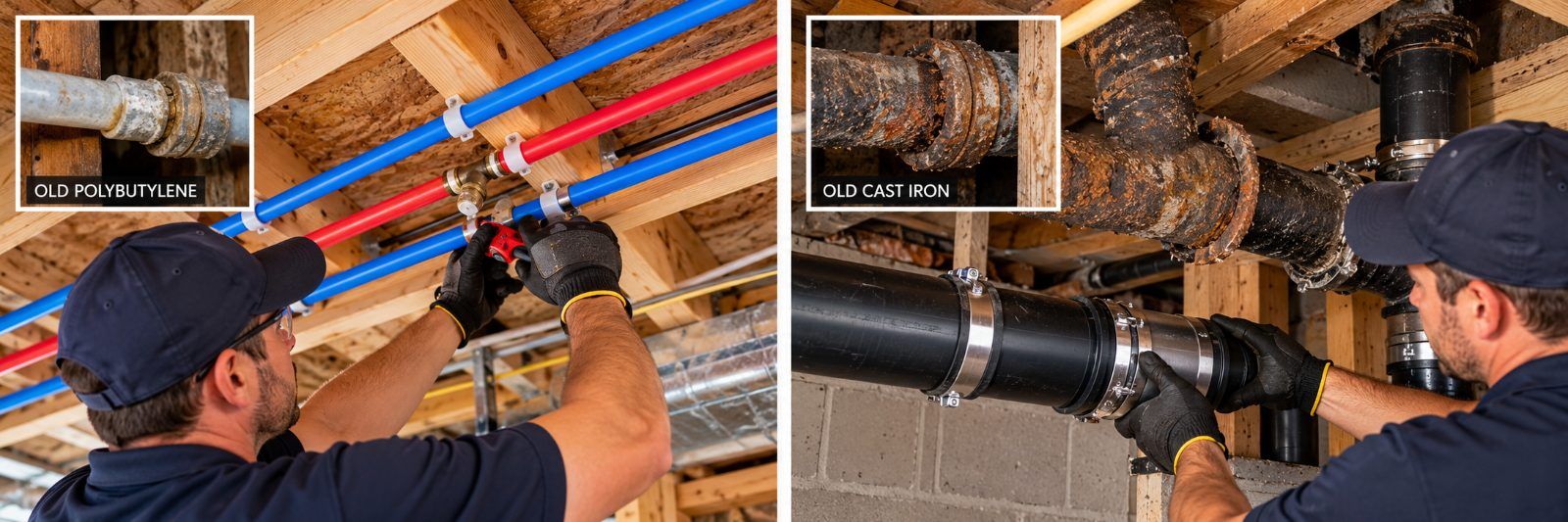
Plumbing observations often involve leaks, corrosion, pipe materials, or signs of deterioration. An isolated problem may require a localized repair. Widespread piping problems may justify discussing repiping options with a qualified plumbing contractor.
Inspectors may document equipment age, visible condition, operation, or signs of deficiencies. HVAC repairs should be evaluated by an appropriately qualified professional. The required action depends on the finding and the insurer's request.
After corrective work, an insurance company may request invoices, photographs, permits, contractor information, or an updated inspection. Requirements vary, so homeowners should verify the exact documentation needed before scheduling a follow-up inspection.
| Repair Item | Typical Range | Main Price Factors |
|---|---|---|
| 4-point inspection (report only) | $75 – $125 | Home size, bundled with wind mitigation or not |
| Electrical corrections | $1,200 – $5,000 for panel/service work | Panel brand, amperage, service upgrade |
| Plumbing corrections | Quoted after evaluation; repipe $4,000 – $15,000+ | Pipe material, leak location, home size |
| Roof corrections | Quoted after roof assessment | Roof age, material, remaining useful life |
| HVAC corrections | Quoted after specialist diagnosis | Equipment age and condition |
Ranges are general market figures from published cost guides and state program estimates (sources below), not quotes. South Florida pricing, HVHZ code requirements, and permit fees can push costs higher. Your written estimate is based on your actual inspection findings.
Sources: Inspect and Test: 4-Point Inspection Cost · VoltFlow: Electrical Panel Upgrade Cost 2026 · Benjamin Franklin Plumbing: Repipe Cost Guide · Citizens Property Insurance: Inspections
We help organize repair needs around the four systems addressed by the report.
We encourage confirmation of underwriting requirements rather than making assumptions about what an insurer will accept.
We distinguish urgent safety concerns from repairs that can be planned according to deadlines.
Our approach accounts for humidity, storms, coastal exposure, and older housing throughout Broward County.
Requirements vary by insurer. Citizens Property Insurance requires a 4-point inspection for homes more than 20 years old, and many private carriers use similar age thresholds. Your agent can confirm what your insurer requires.
Insurers commonly object to exposed or unsafe wiring, active leaks or evidence of leaks, certain older panel types, outdated plumbing materials, and roofs near the end of their useful life. Citizens specifically asks that serious hazards and deficiencies be repaired before an application is submitted.
Most insurance carriers accept a 4-point inspection up to about 12 months old. Check with your agent, because acceptance rules vary by company.
Correcting the flagged items is usually the path to getting a policy written or renewed, but only the insurer decides. Keep invoices, permits, and photos of the completed work, since many carriers ask for proof or an updated inspection.
Understand your 4-point findings before committing to repairs.
Free — no obligations
Identify the exact conditions noted in each of the four inspection categories.
Review any written repair requests or deadlines supplied by the insurance company.
Arrange appropriate assessment by qualified professionals where necessary.
Determine the suitable repair scope, permit considerations, and scheduling needs.
Review available completion records and any remaining insurer documentation requirements.